What Is Restorative Dentistry?
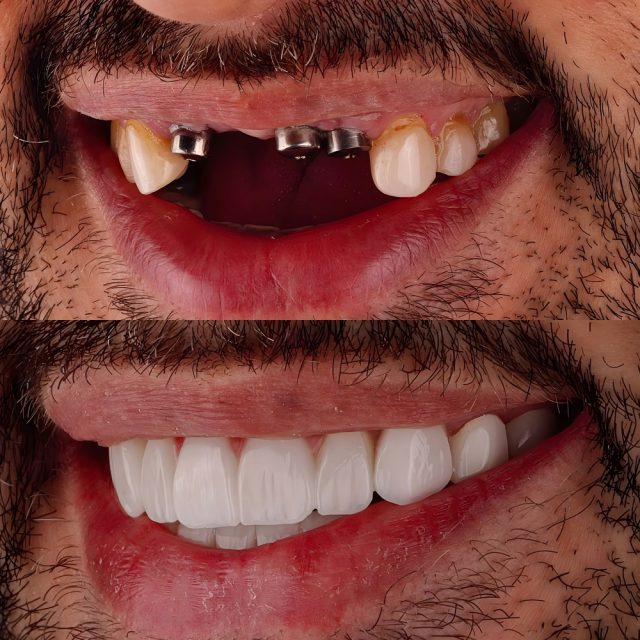
 Restorative dentistry encompasses treatments that repair or replace damaged, decayed, or missing teeth. The primary goal is restoring proper function so you can bite, chew, and speak normally while also improving the appearance of your smile. Common restorative procedures include fillings, crowns, bridges, dentures, and dental implants. These treatments don’t just fix cosmetic concerns—they preserve your remaining natural teeth, maintain proper jaw alignment, prevent bone loss, and protect your overall oral health from further deterioration.
Types of Restorative Dentistry Treatment Options
The right restoration depends on the extent of damage and your individual needs.
- Dental Fillings: Composite resin fillings repair cavities and minor tooth damage, matching your natural tooth color for invisible results.
- Dental Crowns: Custom caps that cover and protect damaged teeth, restoring strength and appearance when a filling isn’t enough.
- Dental Bridges: Fixed prosthetics that replace one or more missing teeth by anchoring to neighboring teeth, filling gaps, and preventing shifting.
- Dentures: Removable appliances that replace multiple or all missing teeth, available in full or partial options depending on your needs.
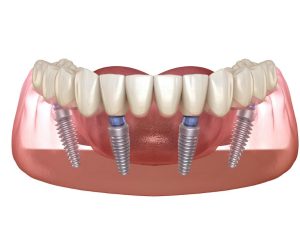
- Dental Implants: Titanium posts surgically placed in the jawbone to permanently replace missing tooth roots, topped with natural-looking crowns.
- Inlays and Onlays: Conservative restorations that repair moderate tooth damage when a filling is too small but a crown is too extensive.
- Full-mouth Restoration: Sometimes, a combination of restorative and cosmetic dental treatments is needed to revitalize your smile.
Benefits of Restorative Dentistry
Restorative treatments do more than fix what’s broken—they transform your daily life and long-term health.
- Restore full chewing function: Eat your favorite foods again without pain, sensitivity, or fear of further damage to compromised teeth.
- Improve speech clarity: Missing or damaged teeth can affect pronunciation; restorations help you speak clearly and confidently.
- Prevent further damage: Treating decay and damage early stops problems from spreading to other teeth or requiring more extensive procedures later.
- Maintain facial structure: Missing teeth cause jawbone deterioration and facial sagging; restorations preserve bone and maintain your natural appearance.
- Boost self-confidence: A complete, healthy smile changes how you feel in social and professional situations, removing embarrassment about your teeth.
- Protect remaining teeth: Gaps and weakened teeth put extra stress on surrounding teeth; restorations distribute bite forces properly and prevent additional problems.
- Reduce pain and sensitivity: Damaged teeth often cause chronic discomfort; proper restoration eliminates pain and temperature sensitivity.
- Long-lasting investment: Quality restorative work with proper care can last 10-20 years or longer, making it a worthwhile investment in your health.
Who Is a Good Candidate for Restorative Dentistry?
Almost anyone with damaged or missing teeth can benefit from restorative treatment.
 Patients with one or more cavities that need filling before decay spreads deeper
- Individuals with cracked, chipped, or broken teeth from injury or wear
- People missing one or more teeth who have experienced difficulty eating or speaking
- People with old metal fillings or crowns that need replacement for function or aesthetics
- Patients with severe tooth wear from grinding, acid erosion, or age-related deterioration
- Anyone experiencing tooth pain, sensitivity, or discomfort that affects daily life
- Individuals seeking to improve their smile while addressing functional problems
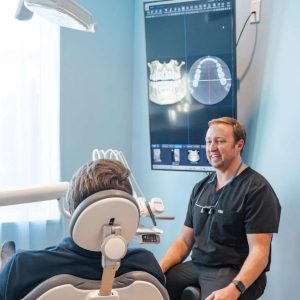
Dr. Parr evaluates your oral health, discusses your concerns, and creates a treatment plan that addresses both immediate needs and long-term dental wellness.
The Restorative Dentistry Process – Step by Step
1. Comprehensive Examination & Custom Treatment Planning
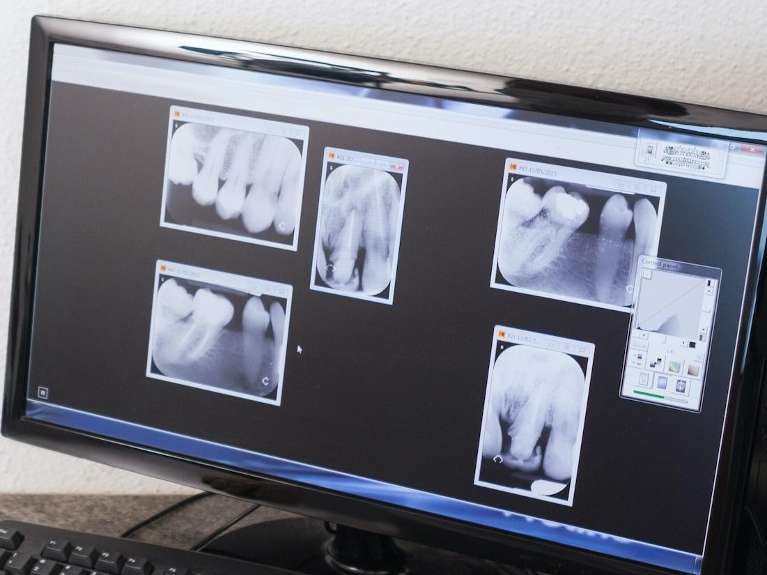
Dr. Parr examines your teeth, gums, and bite alignment using digital X-rays and visual inspection. He identifies all areas of damage or decay and discusses what you’re experiencing.
Based on examination findings, Dr. Parr presents treatment options with clear explanations of procedures, timelines, and costs. You’ll discuss priorities and create a plan that works for your schedule and budget.
2. Preparation and Impression
For crowns, bridges, or dentures, Dr. Parr prepares affected teeth by removing decay and shaping them. Digital or physical impressions capture precise measurements for your custom restoration.
3. Temporary Restoration (If Needed) & Fabrication
For treatments requiring lab work, temporary restorations protect prepared teeth and maintain function while your permanent restoration is created.
Your custom restoration is created using high-quality materials by professional dental labs. This usually takes one to two weeks.
4. Placement and Adjustment
Dr. Parr carefully places your restoration, checking fit, bite alignment, and comfort. Minor adjustments ensure everything feels natural before final bonding or cementing.
5. Final Polishing and Instructions
Your restoration is polished to a natural shine, and Dr. Parr provides specific care instructions to maximize longevity and maintain your investment.
Schedule regular dental checkups so Dr. Parr can monitor your restoration and catch any minor issues before they become major problems.
Caring for Your Restorative Dentistry Results
Proper maintenance extends the life of your restorations and protects your natural teeth.
- Brush twice daily with fluoride toothpaste and a soft-bristled brush, paying attention to the margins where restorations meet natural teeth
- Floss every day to remove plaque and food particles from between teeth and around crowns, bridges, or implants
- Avoid hard foods like ice, hard candy, and popcorn kernels that can crack or damage restorations
- Wear a nightguard if you grind your teeth during sleep to protect both restorations and natural teeth from excessive wear
- Attend regular checkups every six months for professional cleanings and examinations to catch problems early
- Don’t use teeth as tools to open packages, bite nails, or hold objects—this puts unnecessary stress on restorations
- Limit staining substances like coffee, tea, and tobacco that can discolor certain restoration materials over time
Need to schedule your next appointment? Call (910) 329-0298, and our team will find a convenient time for you.
Cost & Financing
Restorative dentistry costs vary based on the type and extent of treatment needed. Simple fillings typically range from $150-$450 per tooth, while crowns cost $800-$1,500, and implants range from $3,000-$6,000, including the crown. Complex full-mouth restorations can require larger investments but dramatically improve the quality of life.