Surf City Dental’s Comprehensive Sedation Program
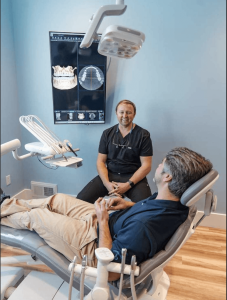 At Surf City Dental, our sedation dentistry program reflects Dr. Matthew Parr’s commitment to providing anxiety-free dental care for the Surf City community. Having grown up in Southeastern North Carolina and completed his dental education at UNC Chapel Hill, Dr. Parr understands the local community’s needs and has made comfortable, accessible dental care a cornerstone of his practice philosophy.
Our comprehensive approach to oral sedation combines Dr. Parr’s extensive training in sedation protocols with state-of-the-art monitoring equipment and a compassionate team dedicated to patient comfort. We’ve invested in advanced safety systems and ongoing education to provide the highest level of sedation care available. What sets our program apart is our commitment to individualized treatment plans that address each patient’s specific anxiety triggers and comfort needs, creating positive dental experiences that encourage long-term oral health maintenance.
What Is Oral Conscious Sedation?
 Oral conscious sedation dentistry uses prescription medications taken by mouth to help patients achieve deep relaxation during dental procedures. This form of conscious sedation creates a calm, drowsy state while allowing you to remain awake and able to respond to verbal instructions. The medication significantly reduces anxiety and may cause partial memory loss of the procedure, which many patients find beneficial.
Unlike general anesthesia, oral sedation maintains your natural breathing and protective reflexes while creating profound relaxation. The medications work by affecting neurotransmitters in your brain that control anxiety and fear responses. This allows you to receive necessary dental care without the overwhelming stress that typically accompanies dental visits.
How Oral Sedation Works:
- Medication Absorption – Oral sedatives are absorbed through your digestive system and enter your bloodstream, creating systemic relaxation throughout your body within 30-60 minutes.
- Brain Chemistry Modulation – The medications bind to specific receptors in your brain that regulate anxiety, fear, and stress responses, promoting calmness and tranquility.
- Conscious State Maintenance – While deeply relaxed, you remain conscious and able to respond to instructions, breathe independently, and maintain protective reflexes throughout treatment.
- Memory Suppression – Many patients experience partial amnesia regarding their procedure, which can be particularly beneficial for those with severe dental phobias or traumatic dental histories.
The depth of sedation can be adjusted based on your individual needs and anxiety levels. This flexibility makes oral sedation suitable for everything from routine cleanings to complex surgical procedures, providing personalized comfort for each patient’s specific situation.
Types of Oral Sedation Medications
Benzodiazepines
Benzodiazepines represent the most commonly prescribed class of oral sedatives in dentistry due to their proven safety profile and predictable effects. These medications have been used safely for decades and offer excellent anxiety relief with minimal side effects when properly administered.
Popular benzodiazepines include triazolam (Halcion), lorazepam (Ativan), and diazepam (Valium). Each medication has slightly different onset times and duration of action, allowing your dentist to select the most appropriate option based on your procedure length and individual response patterns.
Non-Benzodiazepine Alternatives
For patients who may not be suitable candidates for benzodiazepines, non-benzodiazepine alternatives provide effective anxiety relief with potentially fewer side effects. These medications often have lower dependency potential while still providing significant relaxation benefits.
The medication selection process involves a thorough consultation where we discuss your medical history, anxiety triggers, and treatment goals. This comprehensive approach helps us choose the medication that will provide optimal comfort while maintaining your safety throughout the procedure.
Who Benefits from Oral Dental Sedation?
Oral sedation serves patients with varying levels of dental anxiety and specific treatment needs. Understanding whether this deeper sedation method is appropriate for your situation can help you make informed decisions about your dental care approach.
Ideal Candidates Include:
- Moderate to Severe Dental Anxiety – Patients who experience intense fear, panic attacks, or physical symptoms when thinking about dental procedures benefit greatly from oral sedation’s deeper relaxation.
- Complex Treatment Needs – Those requiring multiple procedures, lengthy appointments, or extensive restorative work can often complete more treatment in fewer visits with oral sedation.
- Previous Traumatic Dental Experiences – Patients with negative dental memories find that oral sedation’s amnesia effects help create positive new associations with dental care.
- Medical Conditions Affecting Cooperation – Individuals with conditions like Parkinson’s disease, cerebral palsy, or severe ADHD may benefit from the calming effects of oral sedation during treatment.
- Strong Gag Reflex – Patients with hypersensitive gag reflexes often find that oral sedation significantly reduces this response, making procedures more comfortable and efficient.
- Needle Phobia – While local anesthesia is still typically used, oral sedation helps patients relax before injections, making the entire experience more tolerable.
Many patients discover that oral sedation not only addresses immediate anxiety but also helps them maintain regular dental care long-term. The positive experiences created through comfortable sedated appointments often reduce future anxiety and encourage consistent oral health maintenance.
The Oral Sedation Process at Surf City Dental
Pre-Treatment Consultation and Planning
Your oral sedation journey begins with a comprehensive consultation where our team evaluates your medical history, current medications, and specific anxiety concerns. This thorough assessment helps us determine whether oral sedation is appropriate for your situation and select the most suitable medication and dosing schedule.
We’ll discuss your previous dental experiences, specific fears or triggers, and treatment goals to create a personalized sedation plan. You’ll receive detailed pre-appointment instructions, including dietary restrictions and medication guidelines to optimize your sedation experience and safety.
Pre-Appointment Preparation Steps:
- Medical Clearance – Complete health evaluation including cardiovascular assessment, respiratory function review, and medication interaction screening to confirm sedation safety.
- Fasting Requirements – Specific instructions about avoiding food and drinks for several hours before your appointment to prevent complications during sedation.
- Transportation Arrangements – Confirmation that a responsible adult will drive you to and from your appointment, as oral sedation impairs driving ability for several hours.
- Medication Timing – Precise instructions about when to take your sedation medication, typically 30-60 minutes before your scheduled appointment time for optimal effectiveness.
- Home Preparation – Guidelines for preparing your recovery space at home, including arranging for someone to monitor you during the initial recovery period.
The preparation phase is designed to maximize both the safety and effectiveness of your sedation experience. Following these guidelines carefully helps provide predictable, comfortable results while minimizing any potential complications or side effects.
Day of Treatment Experience
 On your appointment day, you’ll arrive at our office already feeling the calming effects of your oral sedation medication. Our comfortable, spa-like environment further promotes relaxation as you settle into the treatment chair for your procedure.
Throughout your treatment, our trained staff continuously monitors your vital signs and comfort level using advanced monitoring equipment. We track your heart rate, blood pressure, and oxygen saturation to maintain optimal safety while adjusting your care as needed.
During Treatment Monitoring:
- Vital Sign Surveillance – Continuous monitoring of heart rate, blood pressure, and oxygen levels throughout your procedure with immediate response capability for any changes.
- Consciousness Level Assessment – Regular evaluation of your responsiveness and comfort to maintain appropriate sedation depth without over-sedation.
- Comfort Optimization – Ongoing assessment of your relaxation level with the ability to provide additional comfort measures or adjust positioning as needed.
- Communication Maintenance – Regular gentle interaction to confirm your comfort and ensure you can respond appropriately to instructions during treatment.
- Safety Protocol Implementation – Strict adherence to established safety procedures with emergency equipment and medications readily available throughout your visit.
The goal is to maintain the perfect balance where you feel deeply relaxed and comfortable while remaining safe and responsive. Our experienced team continuously fine-tunes your care to provide optimal comfort throughout your entire procedure.
Post-Treatment Recovery and Care
 Recovery from oral sedation requires careful monitoring and a gradual return to normal alertness. You’ll rest comfortably in our recovery area while the medication’s effects gradually diminish under our staff’s watchful supervision.
Your designated driver will be contacted when you’re ready for discharge, typically 30-60 minutes after your procedure concludes. We provide detailed post-sedation instructions and schedule follow-up contact to monitor your recovery progress and address any concerns.