The Sedation Process at Surf City Dental
Pre-Treatment Consultation
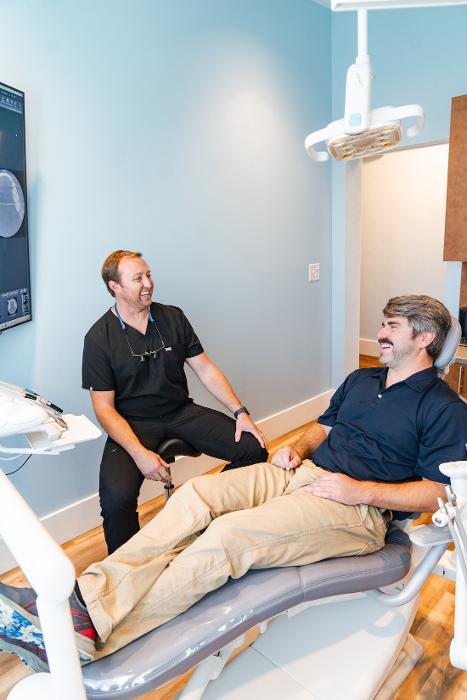
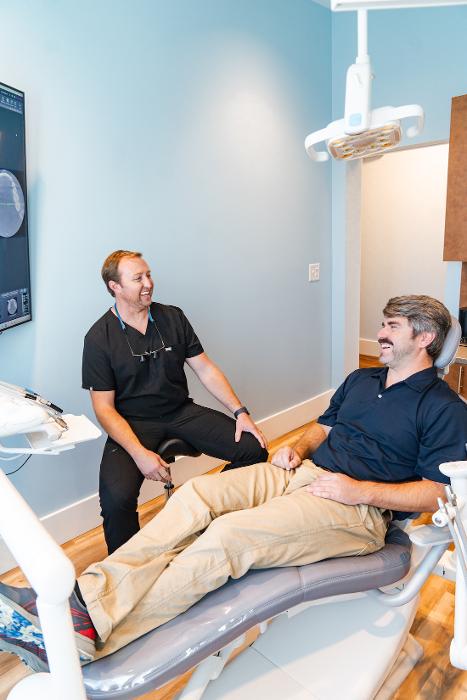
Your sedation journey begins with a thorough consultation where Dr. Matthew Parr and his team review your medical history, current medications, and specific concerns. This comprehensive evaluation helps determine the most appropriate sedation method for your individual needs.
We’ll discuss your anxiety levels, past dental experiences, and treatment goals to create a personalized sedation plan. During this consultation, we’ll explain the entire process, including what to expect before, during, and after your procedure.
Pre-Appointment Preparation Steps:
Medical History Review – Complete disclosure of all medications, allergies, and health conditions helps us select the safest sedation approach for your situation.
Fasting Instructions – Depending on your sedation type, you may need to avoid food and drinks for several hours before your appointment.
Transportation Planning – Arrange for a trusted companion to drive you to and from your appointment, as most sedation methods impair driving ability.
Medication Adjustments – Your dentist may recommend temporary changes to your regular medications to optimize sedation safety and effectiveness.
We encourage you to ask questions during this consultation. Understanding the process can help reduce anxiety and prepare you for a positive experience.
Day of Dental Treatment
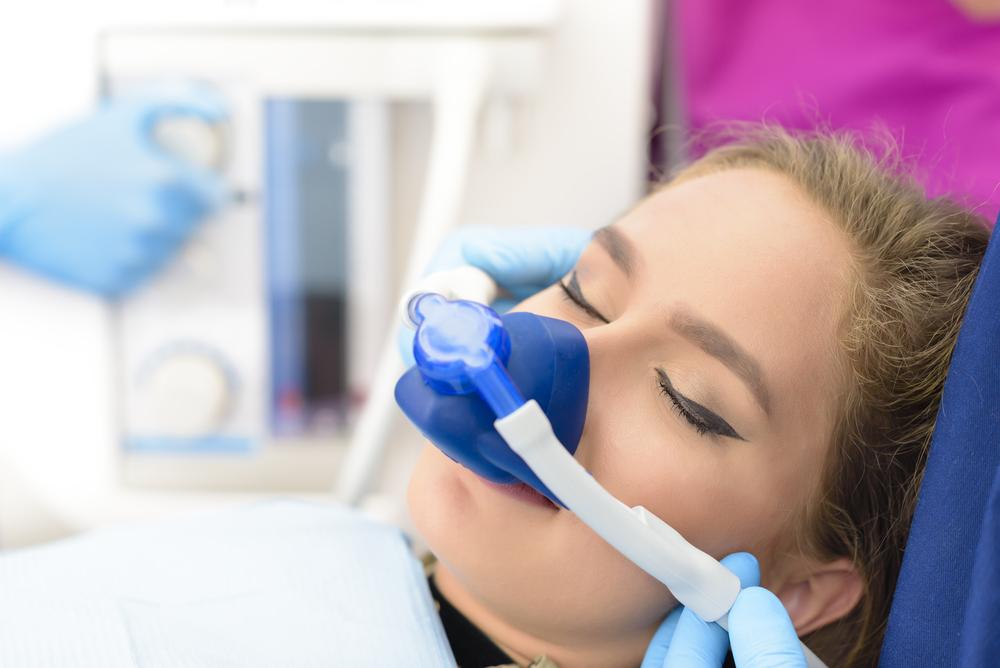
On the day of your appointment, arrive with a trusted companion who can drive you home afterward. Depending on your sedation type, you may need to take oral medication before arriving or begin the sedation process in our office. Our comfortable treatment environment is designed to promote relaxation from the moment you walk through our doors.
Throughout your procedure, our trained staff continuously monitors your vital signs and comfort level. We use advanced monitoring equipment to track your heart rate, blood pressure, and oxygen levels. This careful observation allows us to adjust your sedation as needed and respond quickly to any concerns.
Communication remains open throughout your treatment. Even under sedation, you’ll be able to respond to simple instructions and indicate any discomfort. Our team is trained to recognize and respond to your needs, providing additional comfort measures as necessary.
Post-Treatment Recovery
Recovery begins immediately after your procedure concludes. We’ll monitor you in our comfortable recovery area until you’re alert enough to go home safely. The recovery time varies depending on the type of sedation used and your individual response to the medication.
You’ll receive detailed post-treatment instructions covering dietary restrictions, activity limitations, and medication guidelines. These instructions help promote healing and prevent complications. We’ll also schedule any necessary follow-up appointments to monitor your progress and address any concerns.
Most patients feel groggy for several hours after sedation, which is completely normal. Plan to rest for the remainder of the day and avoid important decisions or activities requiring full alertness. Having a supportive friend or family member assist you during this recovery period is highly recommended.
Safety Considerations and Monitoring
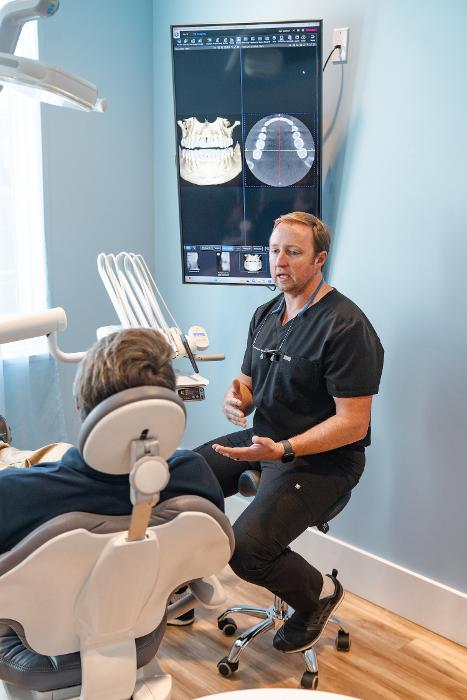
Patient safety remains our top priority throughout every sedation procedure. Before recommending any sedation method, our team conducts a thorough medical evaluation to identify any conditions or medications that might affect your sedation experience.
During your procedure, we use advanced monitoring equipment to continuously track your vital signs. Our staff is trained in emergency procedures and maintains current certifications in advanced life support.
Pre-Sedation Screening – Comprehensive medical and medication history review to identify any potential complications or contraindications.
Continuous Monitoring – Advanced equipment tracks vital signs (heart rate, blood pressure, oxygen saturation) throughout the procedure, with trained staff ready to respond to any changes.
Precise Dosing – All medications are carefully measured and administered according to established protocols, with detailed records maintained.
Post-Procedure Care – Recovery monitoring continues until you’re alert enough to go home safely with your designated driver.
We follow strict protocols for medication administration and dosing. All sedation medications are precisely measured and administered according to established guidelines. Our team maintains detailed records of all medications given, monitoring responses, and adjusting dosages as needed to maintain your comfort and safety.
Frequently Asked Questions
Is sedation dentistry safe for all patients?
Sedation dentistry is generally safe for most patients when administered by trained professionals. However, certain medical conditions, medications, or allergies may affect your suitability for specific sedation methods. A thorough medical evaluation helps determine the safest approach for your individual situation. Pregnant women and patients with severe respiratory conditions may need special considerations or alternative approaches.
Will I be unconscious during sedation dentistry?
Most sedation methods keep you conscious but deeply relaxed. Minimal sedation allows you to remain alert and responsive, while moderate sedation may cause drowsiness and memory loss. Deep sedation brings you to the edge of consciousness, and only general anesthesia renders you completely unconscious. Your dentist will recommend the appropriate level based on your procedure and comfort needs.
How long do the effects of sedation last?
The duration of sedation effects varies depending on the method used and individual factors. Nitrous oxide wears off within minutes after the gas is discontinued, allowing you to drive home safely. Oral and IV sedation can last several hours, requiring a companion to drive you home and monitor you during recovery. Full alertness typically returns within 24 hours.
Can I eat before sedation dentistry?
Fasting requirements depend on the type of sedation you’ll receive. Nitrous oxide typically requires no dietary restrictions, while oral and IV sedation may require fasting for several hours before your appointment. Your dentist will provide specific instructions based on your sedation method and procedure timing. Following these guidelines helps prevent complications and provides optimal safety.
Will sedation dentistry affect my memory of the procedure?
Many sedation methods cause varying degrees of memory loss regarding the procedure. Nitrous oxide typically allows you to remember the experience while feeling relaxed. Oral and IV sedation often result in little to no memory of the treatment, which can be beneficial for patients with dental anxiety. This amnesia effect is temporary and considered a positive aspect of sedation dentistry.
How much does sedation dentistry cost?
Sedation dentistry costs vary depending on the type of sedation used, procedure length, and individual factors. Nitrous oxide is typically the most affordable option, while IV sedation involves higher costs due to additional monitoring and personnel requirements. Many dental insurance plans provide partial coverage for sedation when medically necessary. Our office staff can help you understand your coverage and payment options.
Overcome Your Nerves: Visit Our Welcoming Surf City Dentist Near You
Don’t let dental anxiety prevent you from achieving the healthy, beautiful smile you deserve. Sedation dentistry in Surf City offers a path to comfortable, stress-free dental care that can transform your relationship with oral health. Our experienced team is ready to help you overcome your fears and receive the treatment you need in a calm, supportive environment.
Don’t wait another day to prioritize your oral health. Contact Surf City Dental at (910) 329-0298 now to discover how sedation dentistry can help you achieve the healthy smile you’ve always wanted. Serving the greater Surf City area, including Topsail Beach, Holly Ridge, and Hampstead, we’re committed to providing exceptional dental care in a comfortable, anxiety-free environment.