What are Composite Dental Fillings?
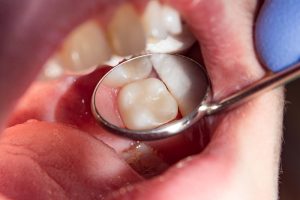 Composite fillings are a top choice in modern restorative dentistry, combining advanced materials with aesthetic appeal. These tooth-colored restorations use a blend of glass or quartz particles in a resin matrix, mimicking the appearance and properties of natural tooth enamel. When applied skillfully by Dr. Stear, they become nearly undetectable, allowing for confident smiles.
Composite technology offers significant improvements over traditional materials like amalgam, thanks to its ability to bond directly to tooth structure at a molecular level. This bond creates a tight seal, preventing bacteria from infiltrating and promoting tooth health. The light-cured or chemically cured resin composite is durable and seamlessly blends with your natural teeth.
Why Choose Composite Over Traditional Fillings?
The advantages of composite fillings extend far beyond their natural appearance, though that alone convinces many patients to make the switch:
Conservative Tooth Preparation
Composite fillings require minimal removal of healthy tooth structure. Unlike amalgam fillings that demand mechanical undercuts for retention, composites bond directly to enamel and dentin, preserving the maximum natural tooth.
Strength Through Bonding
The chemical bond between the composite and the tooth creates a unified structure that actually reinforces weakened teeth. Composite fillings can withstand moderate pressure and constant stress from chewing, making them suitable for posterior composite restorations. This integration helps prevent fractures common with non-bonded restorations. However, the risk of fracture can differ between composite and amalgam fillings, with each material having distinct failure patterns.
Mercury-Free Peace of Mind
Composites contain no mercury or metals, eliminating concerns about potential toxicity or allergic reactions. Dental amalgam and amalgam fillings are examples of other materials that have been used in the past. This biocompatible material is safe for patients of all ages, including pregnant women and children.
Thermal Compatibility
Unlike metal fillings that expand and contract with temperature changes, composites have thermal properties similar to natural teeth. This reduces stress on tooth structure and minimizes sensitivity.
Immediate Results
Composite fillings harden instantly under our curing light, allowing you to eat and drink normally immediately after your appointment. No waiting period or dietary restrictions necessary.
The Composite Filling Process at Surf City Dental
Dr. Stear’s expertise in composite placement ensures optimal results through a meticulous, patient-focused approach. Composite filling procedures are designed for efficiency and optimal results, making them a preferred choice for many patients.
Initial Assessment and Preparation
Your appointment begins with a thorough examination using digital imaging to assess the extent of decay. Dentists use advanced diagnostic tools while you are comfortably seated in the dental chair to ensure accurate assessment and patient comfort. After discussing your treatment plan, we apply a topical anesthetic before administering local numbing for complete comfort. Dr. Stear then carefully removes all decay using precise instruments, preserving as much healthy tooth structure as possible.
Isolation and Bonding
Proper isolation using a rubber dam keeps the treatment area completely dry—essential for optimal composite bonding. We apply an etching gel that creates microscopic pores in the enamel, followed by a bonding agent that penetrates these pores. This preparation creates the foundation for a restoration that becomes an integral part of your tooth, and we use a blue light to cure the bonding agent.
Layered Application Technique
Unlike amalgam that’s packed in bulk, composite requires artistic layering to achieve natural translucency and strength. Dr. Stear applies the material in thin increments, carefully sculpting each layer to recreate natural tooth anatomy. Each layer is cured with high-intensity LED light, and the curing time is carefully controlled to ensure optimal hardness and adhesion, building up the restoration gradually for maximum durability and aesthetics.
Finishing and Polishing
Once the filling reaches proper contour, we use specialized instruments to refine the shape and ensure perfect bite alignment. Multiple grades of polishing create a surface that matches your natural enamel’s luster while resisting stain accumulation. The final restoration is so natural that even dental professionals might struggle to detect it.
Additional Types of Dental Filling Materials
While composite fillings represent our preferred solution for most cavities, understanding all available restorative materials and treatment options helps you make informed decisions about your dental care:
- Amalgam (Silver) Fillings – These traditional restorative materials combine m
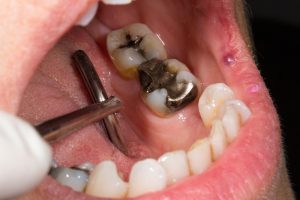 ercury with silver, tin, and copper. While durable and less expensive initially, their metallic appearance and potential health concerns lead most patients to choose alternatives.
 - Glass Ionomer Fillings – These specialized fillings release fluoride over time, providing ongoing cavity protection. Glass ionomer is suitable for very small restorations and for patients at high risk of cavities.
- Ceramic/Porcelain Fillings – Custom-made in dental laboratories, these inlays and onlays are examples of indirect fillings used to replace lost tooth structure.
- Gold Fillings – Though rarely requested due to cost and appearance, gold remains the most durable filling material available. Gold fillings are also a type of indirect filling, often used for large cavities and for restoring lost tooth structure.
Composite Fillings for Every Dental Need
Composite materials allow Dr. Stear to tackle various dental issues beyond cavities. Composite fillings are commonly used for dental restorations, effectively repairing cavities and restoring tooth structure. Resin fillings serve as a direct method for repairing the biting surface of decayed teeth, preserving their function and appearance. This versatility makes composite and resin fillings suitable for a wide range of dental procedures.
Cosmetic Bonding
Small chips, gaps between teeth, or minor shape irregularities can be corrected with composite bonding in a single visit. This cosmetic dental treatment avoids the expense and tooth reduction required for dental veneers while delivering immediate smile enhancement.
Replacing Old Fillings
Many patients choose to replace unsightly amalgam fillings with natural-looking composites. This process not only improves aesthetics but also often allows us to remove less tooth structure than the original filling required, thanks to modern bonding technology.
Treating Tooth Sensitivity
Exposed root surfaces, causing temperature sensitivity, can be covered with thin layers of composite, providing immediate relief while protecting against future erosion and decay.
Pediatric Applications
Children benefit greatly from composite fillings’ conservative approach. Preserving tooth structure in young patients ensures stronger teeth throughout their lifetime, while the quick, comfortable procedure reduces dental anxiety.
Long-Term Care for Your Composite Fillings
Maximizing the lifespan of your composite fillings requires simple but consistent care.
Daily oral hygiene remains paramount—brush gently but thoroughly with fluoride toothpaste, paying special attention to the margins where filling meets tooth. Flossing prevents decay at contact points between teeth where cavities commonly recur. While composites resist staining better than natural teeth, limiting coffee, tea, and red wine consumption helps maintain their appearance.
Regular professional cleanings allow our hygienists to polish your fillings and detect any wear before problems develop. Most composite fillings last seven to 10 years or longer with proper care, though back teeth subject to heavy chewing forces may require earlier replacement. We monitor all restorations at each checkup, ensuring timely maintenance when needed.
Investment in Your Smile’s Future
 Composite fillings represent an investment in both immediate comfort and long-term oral health. While slightly more expensive than amalgam initially, their advantages often make them more cost-effective over time:
Treatment costs typically range from $150-$450 per filling, depending on size and location. Most dental insurance plans cover composites at the same rate as amalgam for front teeth, with growing coverage for back teeth as the standard of care evolves. Our team works with your insurance to maximize benefits and offers flexible payment options for any remaining balance.
When considering the avoided future costs of replacing cracked teeth damaged by metal filling expansion, treating decay that infiltrates around poorly sealed amalgams, or addressing the cosmetic concerns of visible metal fillings, composite often proves the wisest financial choice.